 11
11
Creating a home office that feels cozy and inviting can make a significant difference in your daily work routine. Whether you work remotely full-time or occasionally take work home, a well-designed office helps improve focus, reduce stress, and enhance creativity. Here are some helpful tips to transform your workspace into a comfortable and inspiring place.
Selecting the perfect spot for your home office is the first step. Consider a quiet area with good natural light, if possible, to keep the space bright and refreshing.
– Avoid high-traffic areas: These can be noisy and distracting.
– Think about privacy: Choose a room or corner where you can close the door or easily separate work from home life.
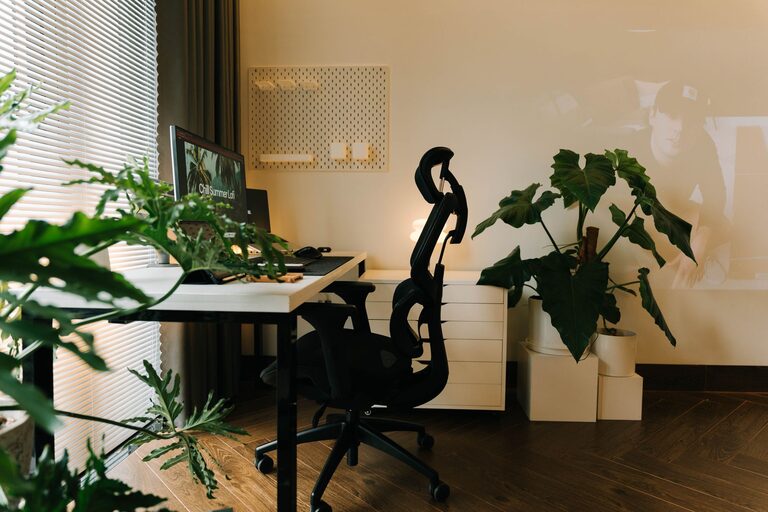
– Maximize natural light: Position your desk near windows to benefit from daylight, which helps boost mood and energy.
Your furniture choices directly affect how inviting and practical your office feels.
– Ergonomic chair: Choose one that supports your back well to avoid discomfort during long working hours.
– Adjustable desk: A desk with height options allows you to switch between sitting and standing.
– Adequate workspace: Ensure your desk is large enough for your computer, notebooks, and other essentials without feeling cluttered.
Adding warmth and personality can make your office feel more welcoming.
– Soft textiles: Use cushions, throws, or rugs to add texture and comfort.
– Plants: Indoor plants improve air quality and bring a touch of nature indoors.
– Artwork and photos: Display images that inspire or calm you.
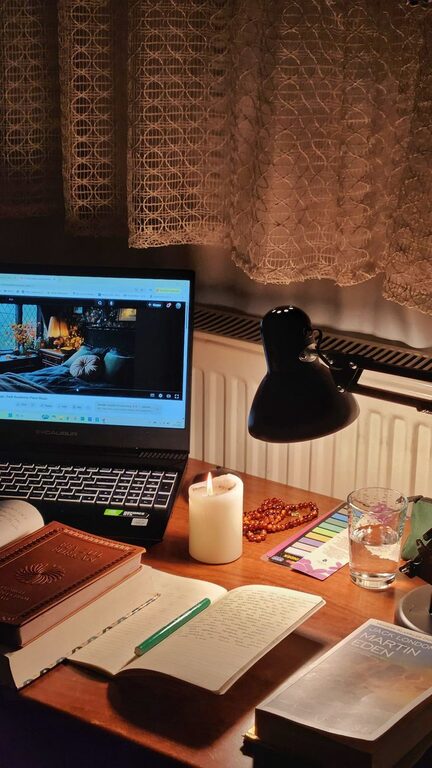
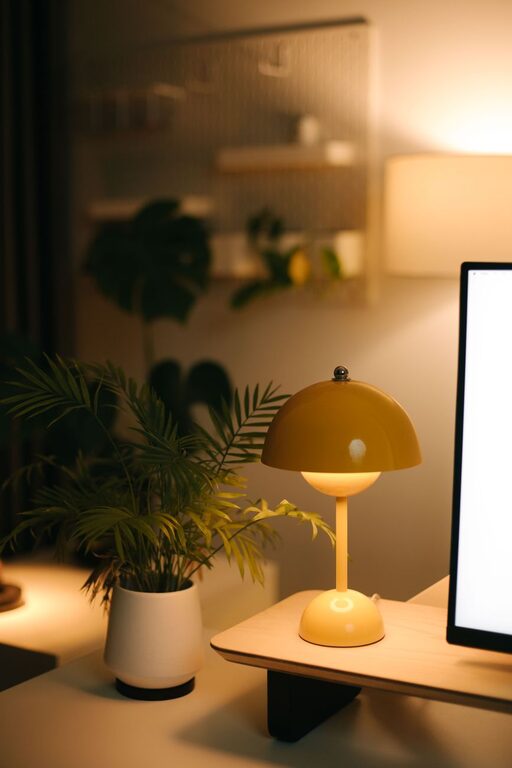
– Lighting: Besides natural light, use lamp light with warm tones that create a cozy atmosphere. Avoid harsh overhead lighting.
A neat space helps maintain focus and reduces stress.
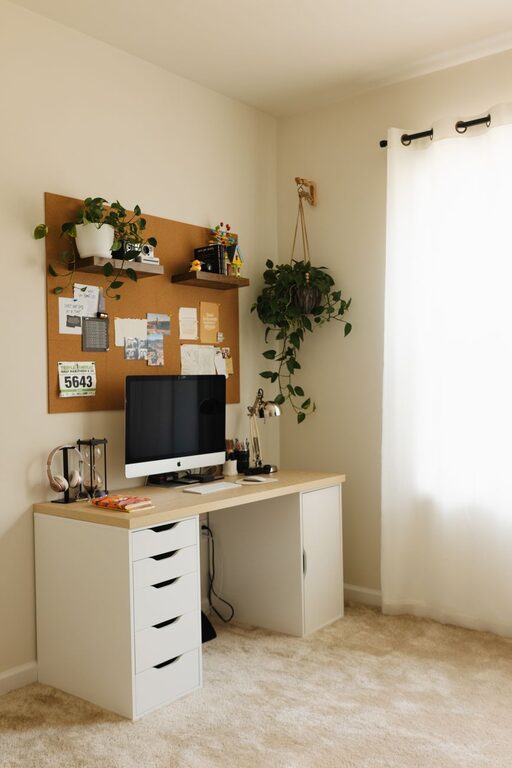
– Storage solutions: Use shelves, drawers, or baskets to store supplies.
– Desk organizers: Keep pens, papers, and tools organized to avoid clutter.
– Cable management: Use clips or ties to keep wires under control.
– Daily tidying: Spend a few minutes at the end of each day putting things away.
Technology is essential but should support rather than overwhelm your workspace.
– Good-quality equipment: Invest in a reliable computer, headphones, and printer if needed.
– Monitor placement: Position your screen at eye level to prevent neck strain.
– Minimal distractions: Use apps or settings to minimize notifications during focus time.
If space allows, design your office with distinct areas.
– Work zone: The main desk area for focused tasks.
– Reading or brainstorming corner: A comfortable chair with a small side table.
– Storage zone: Shelving or cabinet space to keep files and materials.
Colors influence how you feel and work.
– Calm tones: Shades like soft blues, greens, or neutrals promote relaxation.
– Energetic accents: Use brighter colors in small doses to inspire creativity.
– Consistency: Choose colors that complement your home’s overall style for harmony.
A fresh environment helps keep your mind sharp.
– Open windows: When weather permits, fresh air can energize the space.
– Air purifiers: Consider one if your home tends to be stuffy.
– Plants: Some plants help purify air naturally (e.g., snake plants, pothos).
Encourage healthy habits by designing your office to support breaks.
– Stretching space: Leave room to stand and stretch during breaks.
– Incorporate a timer: Use reminders to take regular, short breaks away from screens.
– Comfort zone: Have a spot to relax briefly, such as a small couch or comfortable chair.
A cozy and inviting home office doesn’t have to be complicated or expensive. Thoughtful design choices focused on comfort, personalization, and organization create a space you’ll look forward to working in every day. Start small, and gradually add what makes your space uniquely yours. You’ll notice increased productivity and greater enjoyment in your daily routine.