 11
11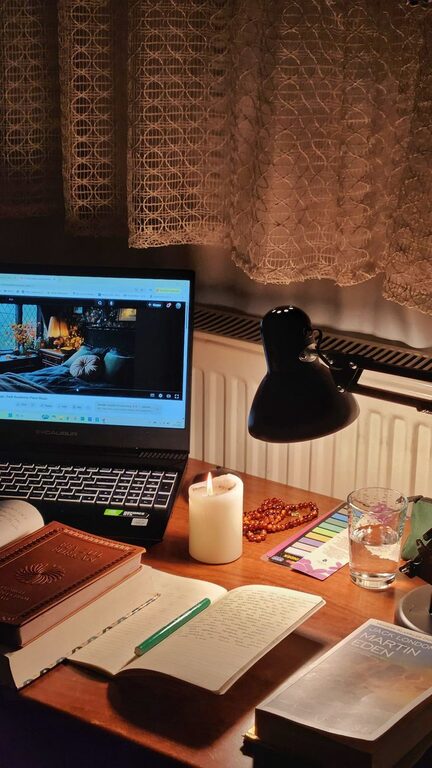
Creating a relaxing home workspace is essential for maintaining focus, reducing stress, and boosting productivity. Whether you work remotely full-time or spend a few hours a week tackling projects at home, having a dedicated area that feels calming and organized can make all the difference. In this post, we’ll explore practical tips and ideas to help you design a workspace that promotes relaxation and efficiency.
When your home workspace is cluttered, uncomfortable, or chaotic, it’s harder to concentrate and stay motivated. Conversely, a well-designed area can enhance creativity, reduce anxiety, and help you separate work life from personal time—even if both happen in the same room.
Start by selecting a spot in your home that feels quiet and free from distractions. Ideally, this area should have enough space for your desk, chair, and any tools you need. If possible, pick a room or corner with natural light, as sunlight can improve mood and energy levels.
Comfort is key for long hours spent working.
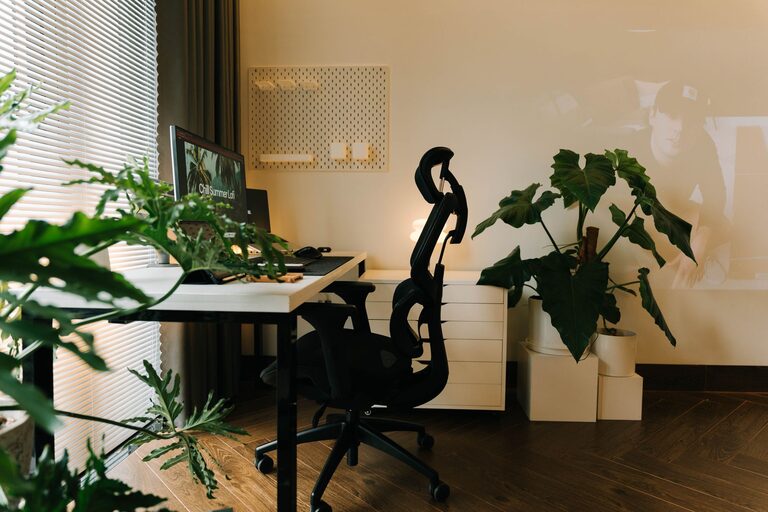
– Ergonomic chair: Choose a chair that supports your back and promotes good posture.
– Desk at the right height: Your desk should allow your arms to rest comfortably while typing.
– Footrest or adjustable elements: These can further improve comfort and reduce fatigue.
Good lighting reduces eye strain and helps maintain alertness.
– Use a combination of natural light and soft artificial lighting.
– Position your desk near a window but avoid direct glare on your screen.
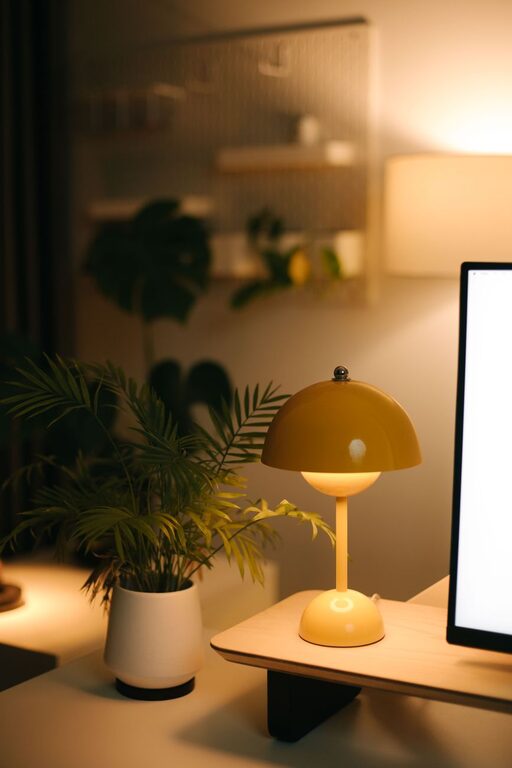
– Consider a desk lamp with adjustable brightness and color temperature to suit different times of day.
A cluttered workspace can increase stress and make it harder to focus.
– Use storage solutions like shelves, drawers, or organizers to keep items tidy.
– Only keep essentials on your desk.
– Make it a habit to declutter at the end of each day.
Incorporating elements that soothe your senses contributes to a relaxing environment.
– Plants: Indoor plants improve air quality and bring a touch of nature indoors.
– Soft colors: Choose gentle shades like pastels, blues, or greens for your walls or accessories.
– Personal touches: Keep a few items that make you happy, like photos, inspiring quotes, or art.
Noise distractions can disrupt your workflow and increase frustration.
– Use noise-cancelling headphones if your environment is loud.
– Play background music or white noise to help you focus.
– If possible, place your workspace away from high-traffic areas.
Messy cables and tangled cords create visual chaos.
– Use cable organizers or clips to keep wires tidy.
– Position your devices so that screens are at eye level to avoid neck strain.
– Regularly update your technology and software to minimize technical issues.
Taking regular breaks is vital for maintaining relaxation and productivity.
– If space allows, set up a small corner with a comfortable chair or cushion where you can step away from your desk.
– Use this area for stretching, deep breathing, or short mindfulness exercises.
Try to mentally separate your work area from your living space.
– Only use your workspace during working hours.
– At day’s end, close your laptop and tidy up your desk to signal the end of the workday.
– This helps reduce burnout and keeps your workspace a positive environment.
Finally, remember that your needs and preferences may change over time.
– Periodically evaluate your setup.
– Don’t hesitate to rearrange furniture, switch up decorations, or try new organization methods.
– Flexibility helps keep your workspace fresh and motivating.
Building a relaxing home workspace doesn’t require a big budget or a lot of time. By focusing on comfort, organization, and calming design choices, you can create an environment that supports your well-being and work goals. Start with one or two changes, see what works best for you, and enjoy the benefits of a peaceful, productive home office.
—
Creating a home workspace that you enjoy spending time in can positively impact your work quality and your overall mood. Make it your personal retreat for creativity and calm!