 11
11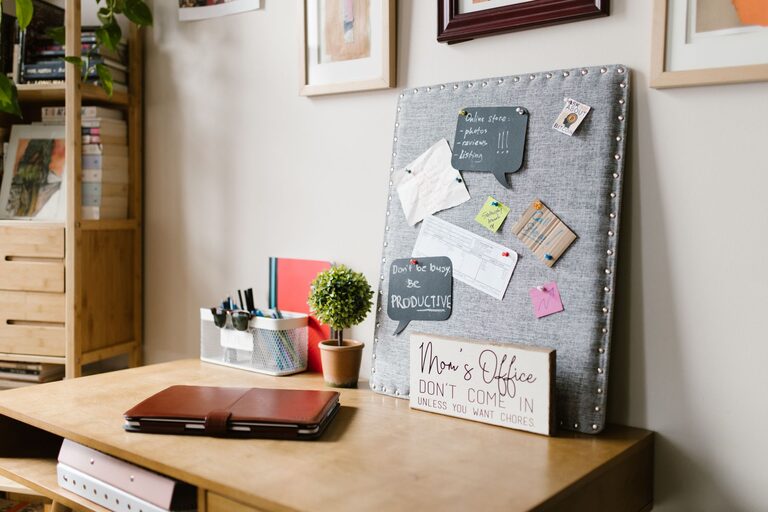
Creating a home office that is both cozy and productive can greatly improve your work-from-home experience. With the right setup, you can boost your focus, reduce stress, and make working from home more enjoyable. Whether you have a dedicated room or just a corner of your living space, these tips can help you create an efficient and inviting workspace.
Finding the ideal spot for your home office is the first step. Look for a space with enough natural light and minimal distractions. Near a window is often best, as sunlight can enhance your mood and energy levels.
If space is limited, consider convertible areas like a guest room, a nook in the living room, or even a section of the bedroom. The key is to find a quiet, comfortable spot where you can focus consistently.
Your furniture plays a significant role in your comfort and health. Here’s what to consider:
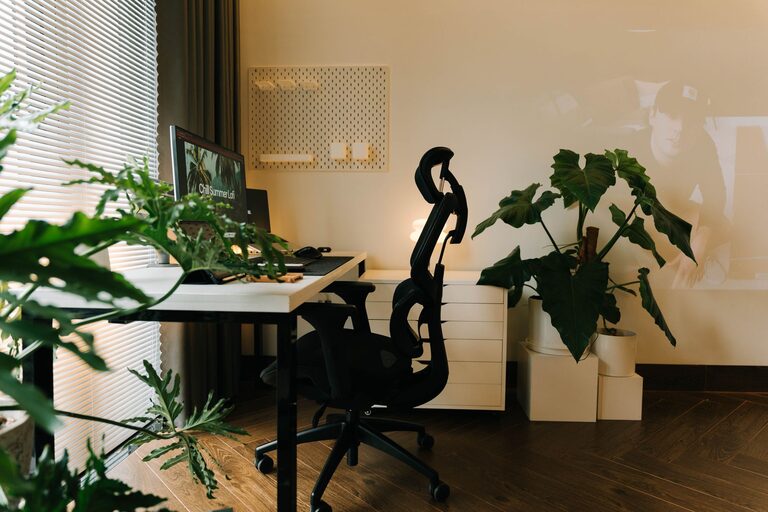
– Ergonomic Chair: A chair that supports your posture helps prevent back and neck pain. Look for adjustable height and lumbar support.
– Desk: Choose a desk with enough surface area for your computer, notes, and other essentials. Adjustable desks that allow standing and sitting can add versatility.
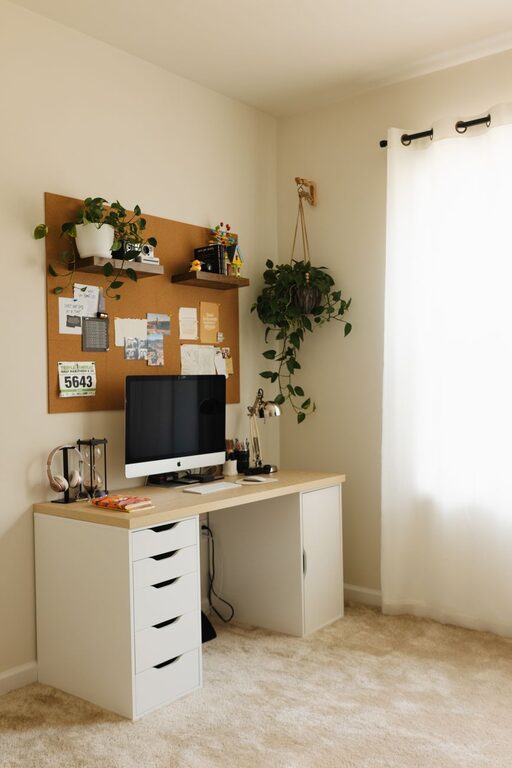
– Storage: Incorporate shelves, drawers, or filing cabinets to keep your space organized and clutter-free.
Comfortable furniture helps you stay focused longer and reduces physical strain.
Good lighting is essential for reducing eye strain and creating an inviting atmosphere.
– Natural Light: Use sheer curtains to soften harsh sunlight while taking advantage of daylight.
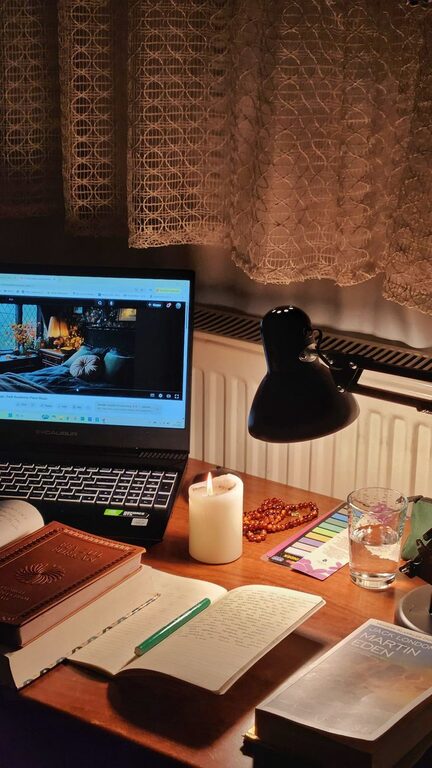
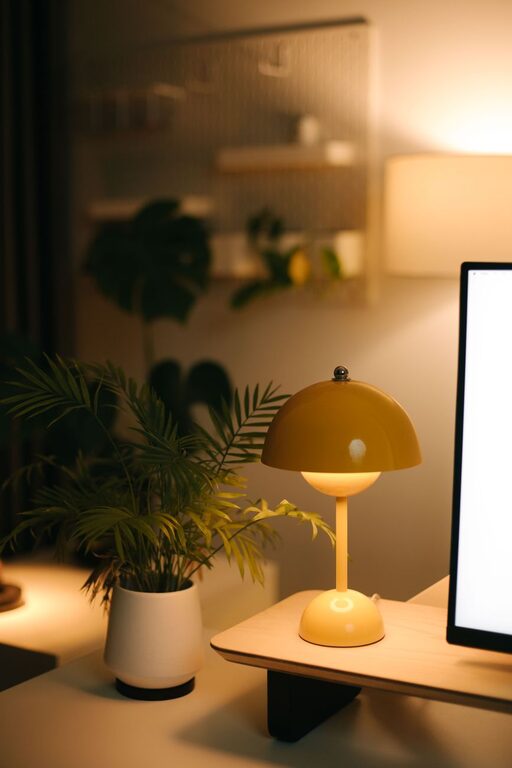
– Task Lighting: A desk lamp with adjustable brightness and direction can help when working on detailed tasks.
– Ambient Lighting: Soft overhead lights or floor lamps create a warm environment and prevent stark contrasts in brightness.
Avoid glare on your computer screen by positioning lights and windows thoughtfully.
Make your office a place where you enjoy spending time by adding personal touches:
– Colors: Choose soothing colors like light blues, greens, or neutrals to promote calmness. Accent colors can energize the space.
– Decor: Add artwork, plants, or inspiring quotes that motivate you.
– Comfort Items: A cozy blanket, cushioned chair pads, or a favorite mug can create a welcoming feel.
Personalizing your office helps your brain associate the space with work and comfort.
A tidy workspace can dramatically improve focus and reduce stress.
– Declutter: Remove unnecessary items and keep only what you use daily on your desk.
– Use Organizers: Desk trays, pen holders, and cable management tools keep everything neat and accessible.
– Digital Organization: Keep your computer files and emails organized to avoid frustration.
Set aside time weekly to maintain your organized space.
Plants not only brighten your space but can also improve air quality and boost mood.
– Choose low-maintenance plants like succulents, pothos, or snake plants if you don’t have a green thumb.
– Place them on shelves, your desk, or windowsills where they get enough light.
– Even a small herb pot can add freshness and a pleasant scent.
Work productivity improves when distractions are limited.
– Use noise-canceling headphones or soft background music if you’re in a noisy environment.
– Keep your phone on silent or in another room during focused work periods.
– Set clear boundaries with family or housemates about your work hours.
Designating your workspace as a “work-only” zone also helps your mind switch into focus mode.
Technology can enhance your productivity but also cause distractions if not managed well.
– Choose reliable hardware and software that support your work efficiently.
– Use apps for task management, time tracking, or note-taking.
– Set “do not disturb” modes on devices during deep work blocks.
Regularly review and update your tech setup to optimize performance.
Comfort goes beyond furniture and lighting. A well-ventilated space with a comfortable temperature makes a big difference.
– Keep windows open when possible to allow fresh air circulation.
– Use fans, heaters, or air conditioners to maintain a pleasant temperature.
– Avoid working near drafts or direct heat sources.
Even with a cozy setup, sitting for long periods is not healthy. Incorporate regular breaks to stretch, walk, or simply rest your eyes.
– Use techniques like the Pomodoro Method to schedule work and break times.
– Stand and stretch every hour to reduce fatigue.
– Consider light exercises or yoga to stay energized.
Designing a cozy and productive home office is about balancing comfort with functionality. By choosing the right location, investing in ergonomic furniture, managing lighting, and personalizing your space, you can create an environment that supports focus and well-being. Regular organization, minimizing distractions, and taking care of your physical comfort will further enhance your home office experience. With these tips, your workspace will become a place you look forward to working in every day.