 11
11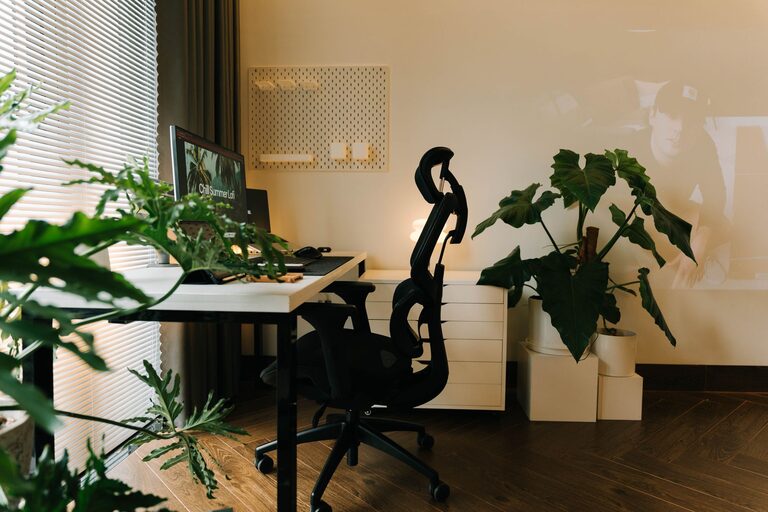
Creating a relaxing home office environment is key to maintaining focus, motivation, and well-being while working from home. A comfortable and calming workspace helps you stay productive and reduces work-related stress. Whether you have a dedicated room or a small corner, there are many ways to transform your space into a retreat that supports your needs. Here are some practical tips to help you design a relaxing home office environment.
Your office location can have a major impact on your comfort and focus.
– Find natural light: Position your desk near a window if possible. Natural light helps improve mood and energy levels.
– Minimize distractions: Pick a quiet spot away from heavy foot traffic or noisy areas. This helps maintain concentration.
– Consider privacy: If you share your home, choose a place that gives you some privacy to avoid interruptions.
Clutter can be overwhelming and distracting. A tidy space promotes calm and clarity.
– Clear your desk: Keep only the essentials within arm’s reach, such as your computer, notebook, and pen.
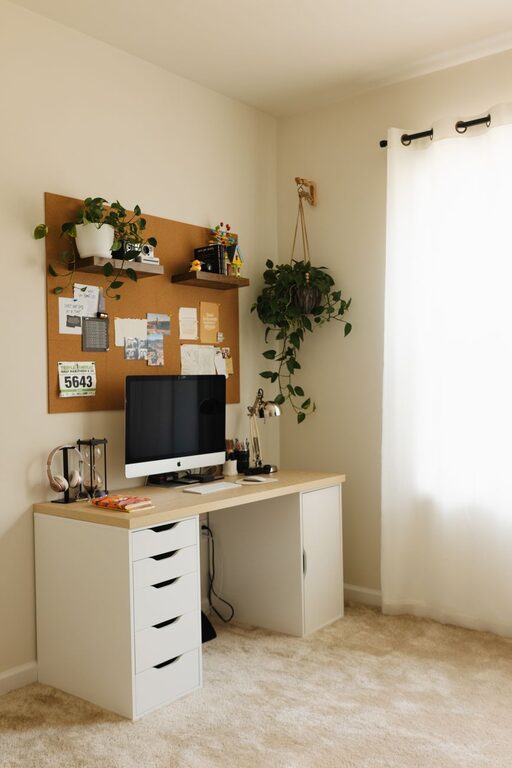
– Use storage solutions: Bins, shelves, and drawers help keep papers, cables, and supplies organized.
– Adopt a filing system: Digital or paper filing can reduce chaos and make it easier to find documents.
Your chair and desk setup impacts your physical comfort and productivity.
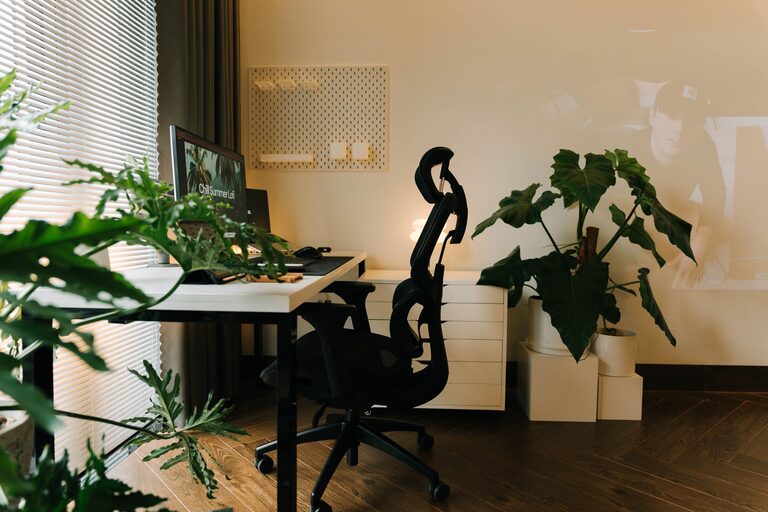
– Choose ergonomic furniture: A supportive chair with adjustable height and lumbar support reduces strain.
– Set desk height correctly: Your elbows should be at a 90-degree angle to maintain good posture while typing.
– Add cushions or footrests: Accessories can enhance comfort during long work hours.
Colors and décor affect your mood and sense of calm.
– Use soft, neutral colors: Shades of blue, green, beige, or gray create a peaceful atmosphere.
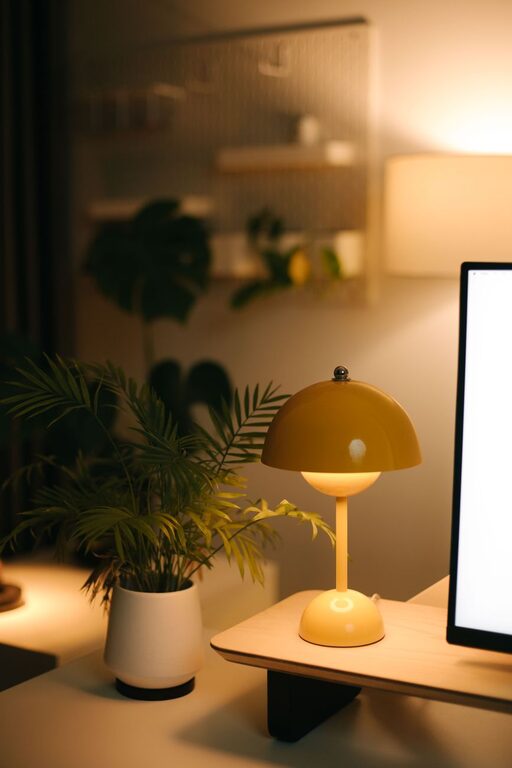
– Personalize with plants: Indoor plants improve air quality and add a natural, calming touch.
– Include artwork or photos: Having meaningful visuals can inspire creativity and happiness.
Proper lighting and sound levels help reduce eye strain and distractions.
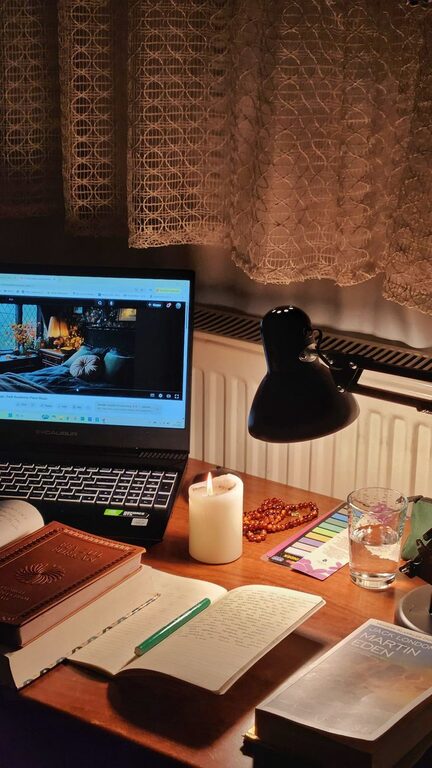
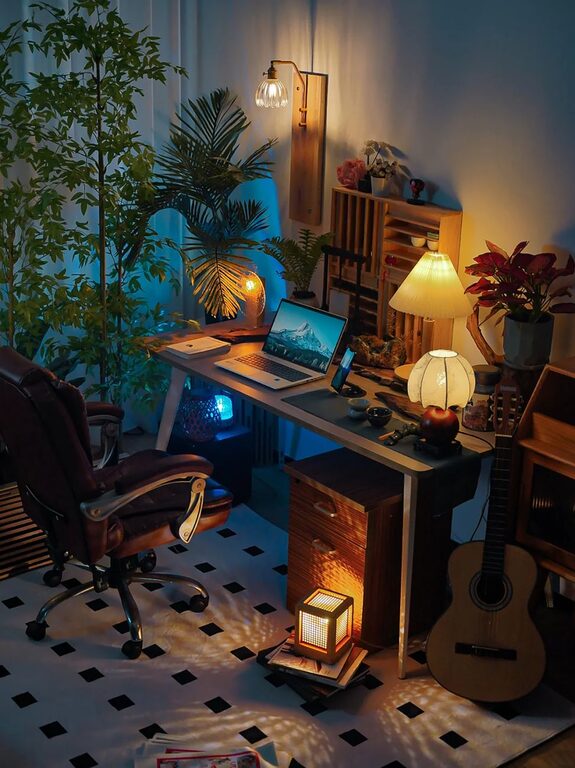
– Adjust artificial lighting: A desk lamp with adjustable brightness can complement overhead lights.
– Reduce glare: Position screens perpendicular to windows to avoid reflections.
– Minimize noise: Consider noise-cancelling headphones or white noise machines if needed.
Your habits can reinforce a peaceful work environment.
– Take regular breaks: Short pauses help recharge your mind and prevent burnout.
– Incorporate mindfulness: Practice deep breathing or meditation during breaks to reduce stress.
– Set clear boundaries: Define your work hours and avoid overworking.
Little touches can make a big difference in making your office more inviting.
– Use essential oils or diffusers: Lavender and eucalyptus scents are known for their calming effects.
– Keep a cozy blanket or sweater nearby: Comfort items help you stay relaxed throughout the day.
– Stay hydrated: Keep a water bottle at your desk to encourage regular drinking.
A smooth technology setup improves efficiency and reduces frustration.
– Organize cables: Use clips or sleeves to keep cords neat and out of the way.
– Use a quality monitor and keyboard: Reduces eye and hand strain.
– Ensure reliable internet: A strong connection helps you stay focused on tasks.
Occasional changes can refresh your work environment.
– Alternate work zones: If possible, switch between desk, sofa, or standing spaces.
– Rearrange periodically: Moving furniture or décor can prevent monotony and inspire creativity.
—
Creating a relaxing home office is about balancing functionality with comfort. By tailoring your space to your needs and incorporating these tips, you can build a comfortable environment that nurtures productivity and well-being. Remember, a peaceful workspace is not only about aesthetics but also about how it makes you feel and how it supports your daily work habits. Take the time to design your perfect home office retreat!