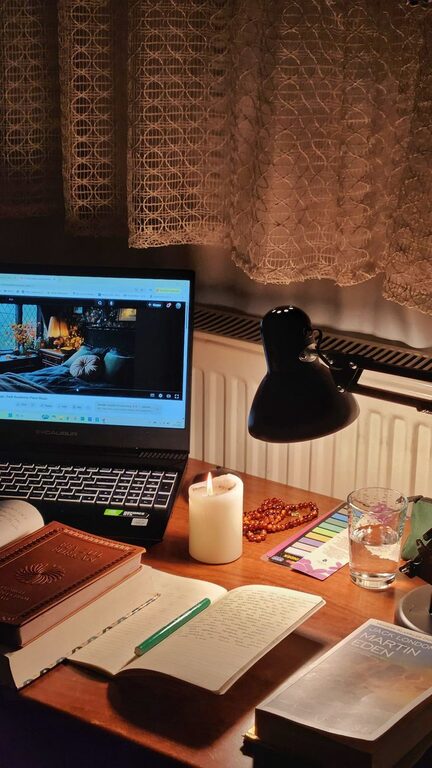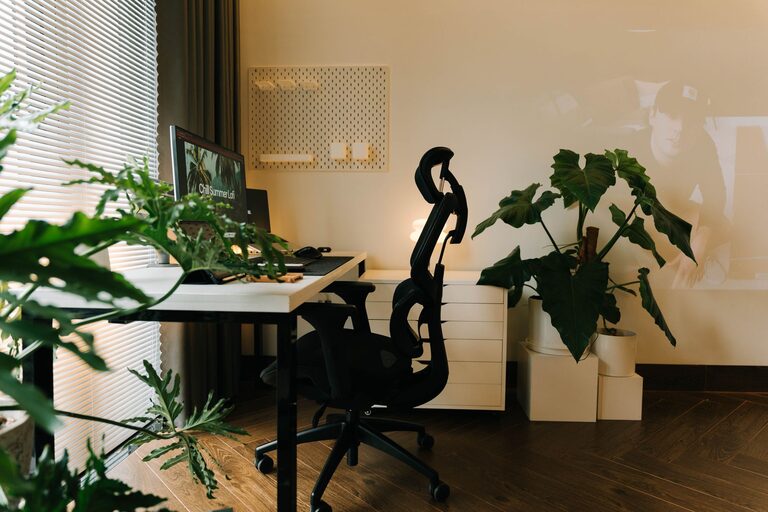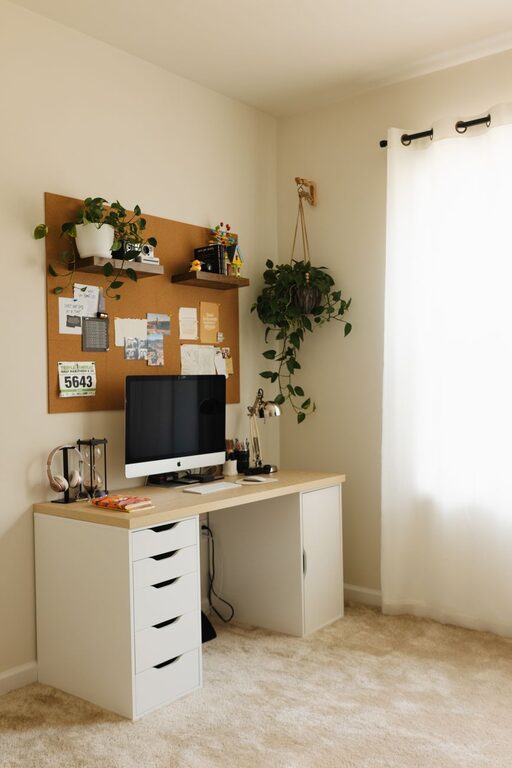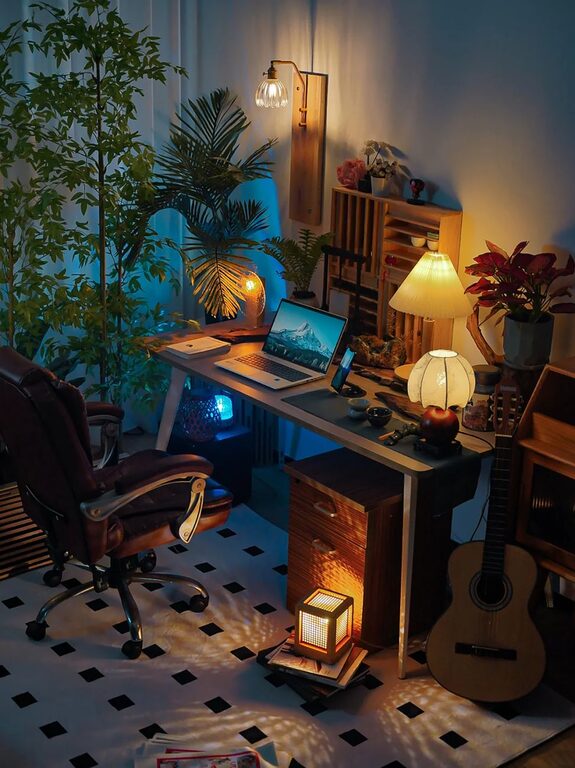
 11
11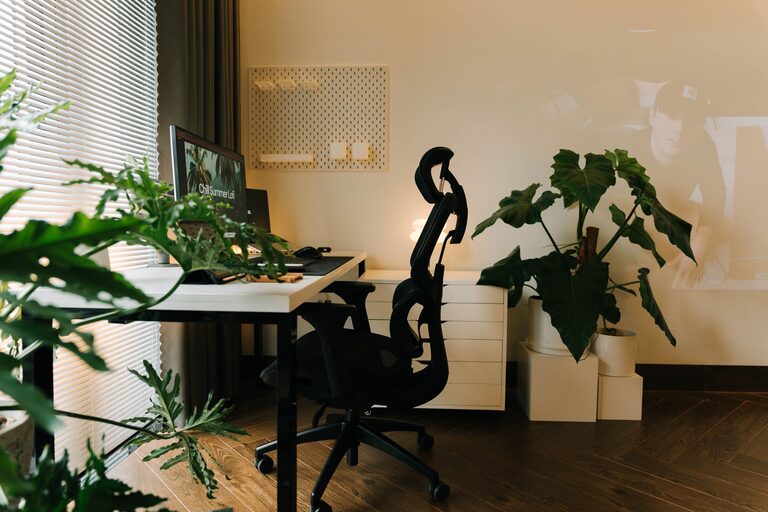
Creating a home office that is both cozy and productive can greatly improve your work-from-home experience. A well-designed workspace helps you stay focused, motivated, and comfortable throughout the day. Whether you have a dedicated room or just a small corner, these tips will help you set up the perfect home office to meet your needs.
The first step in creating a productive home office is selecting the right spot. Ideally, this space should be quiet, well-lit, and free from distractions.
– Natural light: Position your desk near a window if possible. Natural light boosts mood and energy while reducing eye strain.
– Away from distractions: Choose an area away from noisy parts of the house, like the kitchen or living room.
– Sufficient space: Make sure there’s enough room for your desk, chair, and any equipment you need.
Comfort is key for long hours of work. Choosing the right furniture prevents discomfort and supports productivity.
– Ergonomic chair: Invest in a chair with adjustable height, lumbar support, and comfortable cushions.
– Desk height: Your desk should allow your arms to rest comfortably at about a 90-degree angle when typing.
– Additional seating: If space allows, a cozy chair or small couch makes a nice spot for breaks or brainstorming.
A cluttered space can create a cluttered mind. Keeping your home office organized will help you stay focused.
– Storage solutions: Use shelves, filing cabinets, or baskets to keep documents and supplies tidy.
– Desk organizers: Pen holders, trays, and cable management tools keep your desk surface neat.
– Digital organization: Don’t forget to organize your computer files and emails for efficiency.
Adding personal touches makes your home office feel inviting and reduces stress.
– Decor: Choose artwork, photos, or plants that inspire and calm you.
– Colors: Use colors that you find soothing or energizing. Blues and greens promote calm, while yellows encourage creativity.
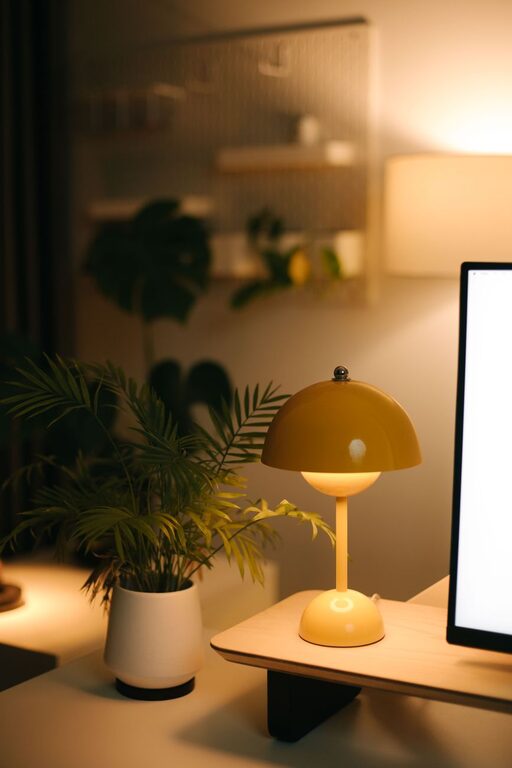
– Lighting: Besides natural light, include a desk lamp with adjustable brightness to reduce eye strain.
A productive workspace helps you focus on work tasks without getting sidetracked.
– Noise control: Use noise-canceling headphones or white noise machines if necessary.
– Dedicated workspace: Avoid working from your bed or couch where distractions are common.
– Set boundaries: Let family members or roommates know your work hours to minimize interruptions.
Physical health is important for sustained productivity.
– Posture: Sit with your back straight and feet flat on the floor.
– Exercise breaks: Stand, stretch, or take brief walks every hour to reduce fatigue.
– Eye care: Follow the 20-20-20 rule—every 20 minutes, look at something 20 feet away for at least 20 seconds.
The right technology tools can make your work easier and more enjoyable.
– Reliable internet: Ensure your connection is stable and fast enough for video calls.
– Quality equipment: Use a good quality headset, webcam, and microphone.
– Apps and tools: Use productivity apps, calendars, and task managers to stay organized.
A clean space promotes clarity and reduces stress.
– Daily tidying: Take a few minutes to clear your desk at the end of each day.
– Weekly cleaning: Dust, vacuum, and declutter to maintain a fresh environment.
– Air quality: Open windows when possible or use an air purifier.
Your home office setup may need tweaks as your needs change.
– Evaluate regularly: Reflect on what works well and what doesn’t.
– Stay flexible: Don’t hesitate to rearrange furniture or try new tools.
– Seek inspiration: Look for ideas from other home office setups online to keep your space fresh.
—
Designing a cozy and productive home office takes a bit of planning and effort, but the payoff is worth it. A space that supports your work and wellbeing can enhance focus, creativity, and overall job satisfaction. Start small with these tips and build your perfect home workspace over time.