 11
11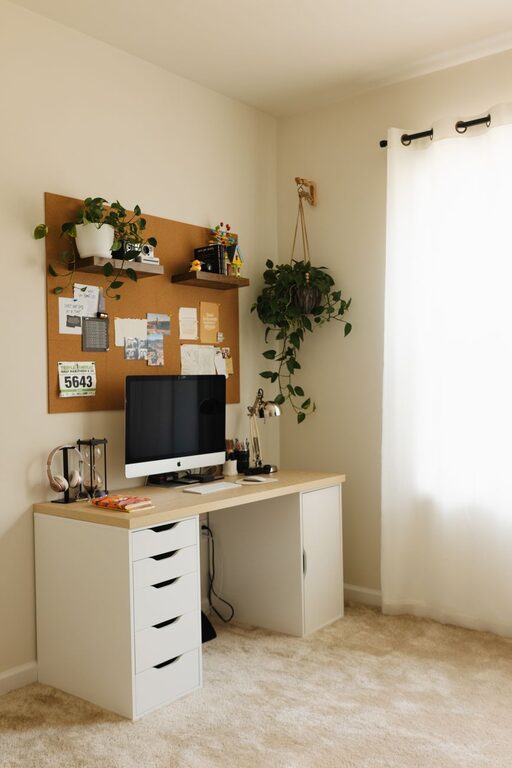
Creating a home office that blends coziness with functionality is essential for making remote work or study enjoyable and efficient. Whether you’re setting up a dedicated room or carving out a nook in your living space, a well-designed office can boost your focus and overall well-being. Here are practical tips to help you design a home office space that feels welcoming and supports your productivity.
Selecting a suitable spot for your home office is the first step in creating a functional workspace. Look for a place that:
– Is quiet and away from high-traffic areas in your home
– Has natural light to brighten up the room and enhance mood
– Can accommodate your desk and storage needs
– Offers some privacy to avoid distractions during work or meetings
If a separate room is not available, consider using space dividers, such as shelves or curtains, to create a designated work zone in a shared area.
Comfort is key when choosing office furniture because you’ll likely spend many hours seated. Consider the following:
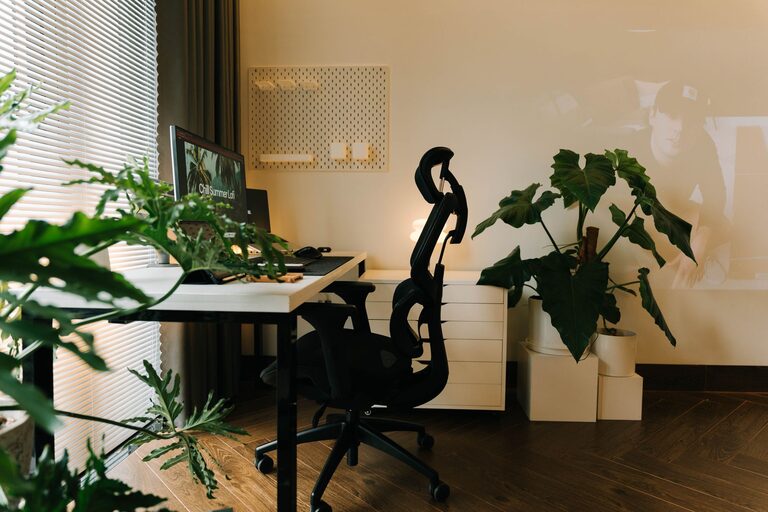
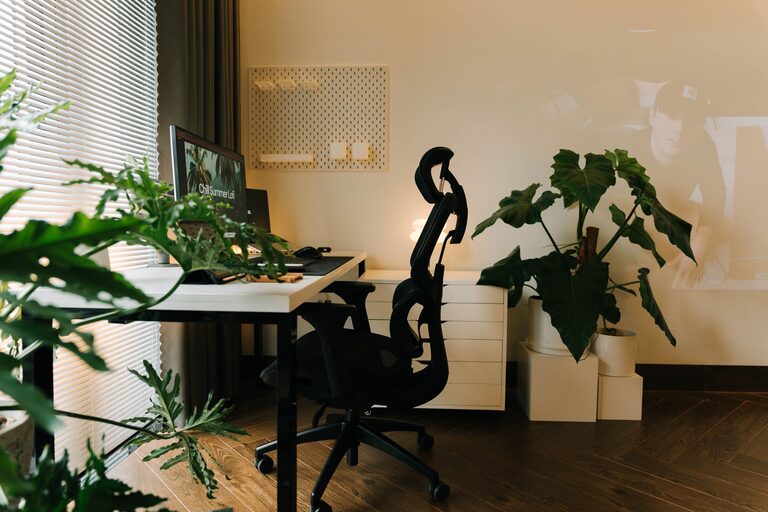
– Ergonomic chair: Select a chair with adjustable height, lumbar support, and comfortable cushioning to maintain good posture.
– Desk: Opt for a desk that fits your workspace and has enough surface area for your computer, paperwork, and accessories.
– Standing options: If possible, consider a sit-stand desk or an adjustable desk converter to vary your working position during the day.
Comfortable furniture helps prevent strain and fatigue, allowing you to focus better.
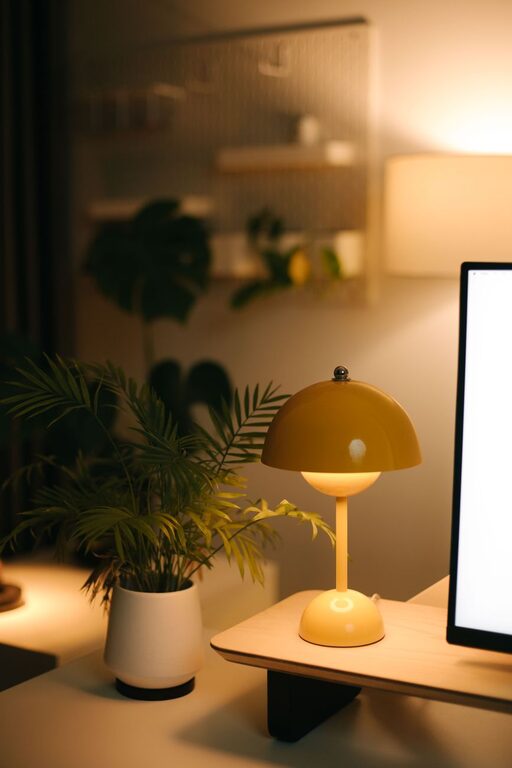
Lighting plays a significant role in creating a cozy atmosphere and reducing eye strain:
– Natural light: Position your desk near a window to take advantage of daylight.
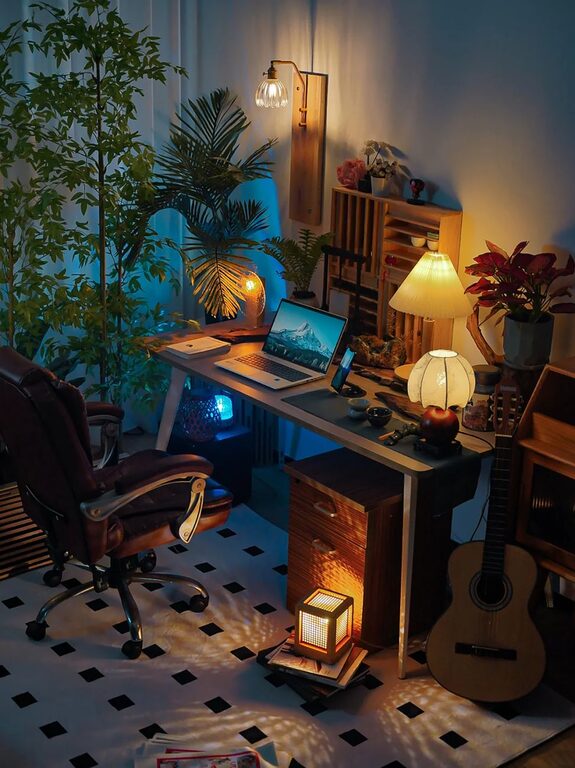
– Layered lighting: Use a combination of overhead lighting and task lighting, like a desk lamp, to ensure your workspace is well-lit at all times.
– Warm light bulbs: Choose bulbs with a warm color temperature (2700K–3000K) to create a relaxing ambiance, especially important for evening work.
Proper lighting improves both your productivity and comfort.
A cluttered workspace can be distracting and stressful. To stay organized:
– Use storage solutions like shelves, filing cabinets, or baskets to keep supplies tidy.
– Declutter regularly by clearing away items you don’t use daily.
– Organize cables and chargers with clips or cable management boxes to avoid a tangled mess.
– Use organizers for small items like pens, paper clips, and sticky notes.
An orderly workspace makes it easier to focus and find what you need quickly.
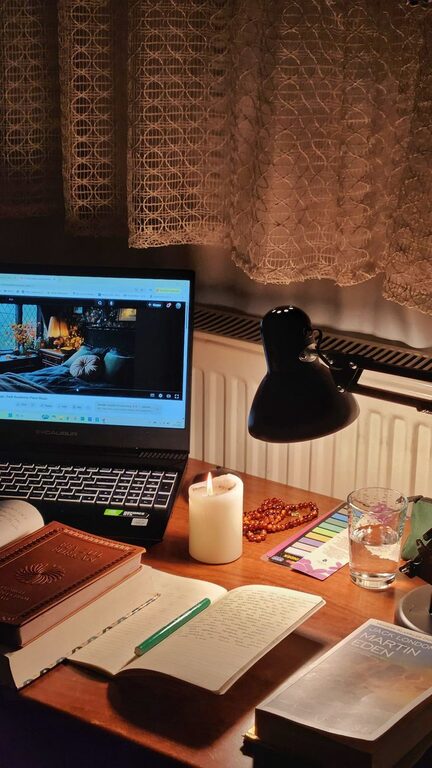
Adding personal and cozy elements can make your home office inviting and help you feel at ease:
– Incorporate soft textiles like cushions, a throw blanket, or a small rug.
– Add plants to purify the air and bring a touch of nature indoors.
– Hang artwork or inspiring quotes that motivate you.
– Use calming scents like essential oil diffusers or candles, if safe and allowed.
These touches create a warm atmosphere that encourages creativity and well-being.
Creating a distraction-free environment is important for maintaining focus:
– Use noise-canceling headphones or play soft background music if your space is noisy.
– Add soft furnishings like curtains, rugs, or wall hangings to absorb sound.
– Inform family members or roommates about your working hours to minimize interruptions.
Minimizing distractions helps improve productivity and reduces stress.
Equip your home office with the right technology to support your work:
– Ensure your Wi-Fi signal is strong and consider using a wired connection for better stability.
– Invest in a quality webcam and microphone for virtual meetings.
– Use an external monitor, keyboard, and mouse for ergonomic comfort and better efficiency.
– Keep your tech gear arranged neatly to avoid clutter and maximize desk space.
Having reliable technology reduces frustration and helps you work smoothly.
A cozy and functional office also encourages healthy work habits:
– Designate a small space for stretching or quick breaks if possible.
– Use reminders or apps to prompt you to take regular breaks to stand up and move.
– Consider adding a comfortable chair or small couch for relaxation during breaks.
Taking breaks helps maintain energy levels and prevents burnout.
—
Creating a cozy and functional home office is about balancing comfort, organization, and practical needs. By thoughtfully designing your workspace with these tips in mind, you can enjoy a pleasant environment that supports your productivity and well-being. Whether you’re working from home full-time or need a quiet spot for occasional tasks, your office can become a productive sanctuary tailored just for you.